Explore full-service tree service solutions for a more vibrant landscape.
Effective tree service practices play a crucial role in preserving a well-kept landscape. Good tree care doesn't just enhances the look but also supports environmental well-being. Knowing about the different services offered can help property owners decide wisely. Yet, many may fail to recognize the lasting benefits that professional tree care provides. This overview will explore essential aspects of tree services and their effect on landscape health. The following information may shift how one views their outdoor space completely.
Understanding the Significance of Tree Care
Tree care is essential for maintaining the vitality and lifespan of trees, as it influences the surrounding ecosystem and increases property value. Proper tree care includes a range of practices, including pruning, watering, and monitoring for pests and diseases. Vibrant trees help improve improved air quality, cast shadows, and support biodiversity by creating habitats for various species. Moreover, healthy trees can greatly increase property attractiveness, attracting potential buyers and raising market value.
Ignoring tree care can lead to compromised integrity, making them prone to disease and environmental stressors. This can lead to hazardous situations, such as falling branches or uprooted trees, threatening safety to people and property. Moreover, the visual appeal of landscapes fades when trees are not properly cared for. In conclusion, knowing the importance of tree care is essential to ensuring not only the health of the trees themselves but also the health of the broader environment.
Typical Tree Services and Their Value
Common tree services, such as pruning and trimming, play an vital role in maintaining the health and aesthetics of trees. Additionally, tree removal may become essential for safety reasons or to halt disease spread. Familiarizing oneself with these services can help property owners decide wisely for their landscapes.
Techniques for Pruning and Trimming
While keeping up the look and well-being of a landscape, pruning and trimming techniques play an essential role in tree care. These practices involve the careful removal of certain limbs to improve the tree's form, encourage vigorous development, and improve air circulation and sunlight exposure. Consistent pruning aids in stopping diseases and pest infestations by removing unhealthy or dead limbs. Trimming, on the other hand, focuses on shaping the tree and keeping it to a manageable size, preventing it from hindering pathways or structures. Effective pruning and trimming can enhance the amount of fruit in fruit-bearing trees and increase the display of flowers in ornamental varieties. Applying these practices not only improves the look of the landscape but also supports the long-term health of the trees within it.
When Tree Removal is Necessary
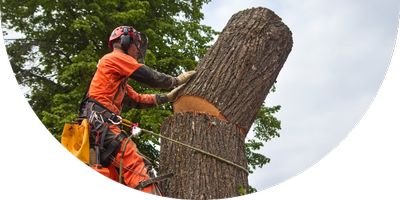
Tree removal is frequently a required choice for those who own or manage property, especially when health, safety, or appearance is a concern. Trees that are dead, diseased, or structurally compromised can present serious dangers, such as total failure or dropping limbs. In addition, overgrown trees may shade the area excessively or hinder landscaping efforts. Professional tree removal services ensure these trees are removed efficiently and safely, reducing possible dangers. Furthermore, these services often provide stump extraction, which eliminates potential trip risks and allows for future landscaping options. In the end, timely tree removal not only enhances the overall appearance of a property but also fosters a more robust environment by fostering the growth of surrounding plants.
The Role of Tree Pruning and Trimming
Successful tree maintenance practices are crucial elements in preserving the beauty and vitality of trees. This practice involves taking off particular branches to improve air circulation, light penetration, and the tree's architecture. By eliminating dead or diseased limbs, pruning assists in stopping the spread of problems, ensuring that the tree remains vibrant and robust.
Regular trimming not only enhances the tree's appearance but also stimulates healthy new shoots, contouring the crown for maximum appeal. It is also crucial for security; overgrown branches may pose hazards to people and adjacent buildings.
Additionally, pruning done correctly can prolong the lifespan of a tree, letting it grow strong where it is planted. Both homeowners and landscapers profit by recognizing the significance of this practice, as it encourages a better landscape and contributes to the overall ecological balance of the area. In summary, tree pruning and trimming form the foundation of effective tree care.
Handling Pest Outbreaks and Disease Prevention
Effective tree care requires awareness of frequent diseases and pests that can threaten tree health. Spotting these issues quickly is vital for deploying the right prevention tactics. This part discusses ways for recognizing infestations and stopping the spread of disease in trees.
Identifying Common Pests
To keep trees healthy, it is crucial to recognize common pests that may result in infestations or disease. Various insects, such as aphids, spider mites, and bark beetles, can cause significant damage if ignored (Stillwater Tree Service). Symptoms of infestation often feature foliage losing its hue, wilting branches, or visible insects on the tree. Moreover, pests like the gypsy moth and emerald ash borer are able to drastically reduce tree health and longevity. Mycelial diseases, sometimes intensified by pests, may manifest as strange formations or spots on leaves. Routine checks are crucial for spotting issues early, enabling prompt action. With knowledge of these typical pests, landscapers and homeowners can better protect their trees and promote a healthier landscape overall
Disease Prevention Strategies
For maximum tree health and lifespan, implementing disease prevention strategies is essential in addressing both pest infestations and disease management. Regular inspections allow for early detection of pests and diseases, allowing for prompt action. Integrated Pest Management (IPM) techniques, such as promoting natural predators and using organic treatments, are successful at lowering pest numbers while reducing the use of chemicals. Moreover, maintaining proper tree care practices—such as pruning, mulching, and proper watering—strengthens trees, making them less susceptible to diseases. Educating property owners concerning seasonal risks and environmental factors that contribute to tree health is essential. By encouraging a forward-thinking strategy, local areas can strengthen the sturdiness of their landscapes to resist pests and illnesses, guaranteeing healthy trees for the years to come.
Improving the Look of Your Landscape With Professional Services
When people wish to boost the appeal of their outdoor spaces, skilled tree care providers play a pivotal role in improving the visual appeal of the landscape. Certified tree professionals provide expertise in tree maintenance, pruning, and shaping, which not only promote healthy growth but also improve the visual quality of trees. By eliminating dead or overly long branches, professionals can create a more balanced and visually appealing landscape.
In addition, arborists can assist in selecting the right species and placement of trees to match current plant life, creating synergy within the landscape. Periodic maintenance work also help create a polished look, removing debris and enhancing visibility of essential features.
Additionally, healthy, tended trees can become points of interest, directing the eye toward gardens and outdoor living spaces. Through these thorough services, property owners are able to create a lively and welcoming atmosphere, mirroring their unique preferences while securing the durability of their landscape investments.
Selecting the Best Tree Care Company for Your Needs
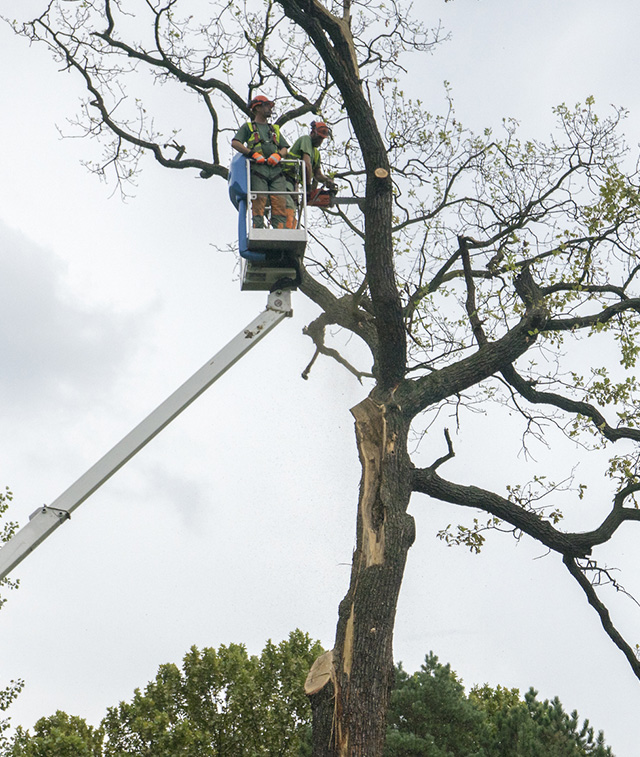
How can homeowners secure they pick the most suitable arborist for their particular requirements? First, they should research local companies, focusing on their credentials, experience, and customer reviews. A trustworthy company typically possesses certifications and insurance, guaranteeing they meet industry standards further information and are insured against damage.
Subsequently, property owners ought to ask for quotes from various services, evaluating the work proposed and cost breakdowns. This allows them to find those who offer good returns without lowering the level of work. It is crucial to ask about the range of tree care offered, such as pruning, removal, or disease management, to verify compatibility with particular outdoor requirements.
Lastly, having a face-to-face discussion with prospective companies can show how they communicate and professionalism. By weighing these elements, homeowners can assuredly choose a tree service provider that fulfills their requirements and promotes a more robust outdoor space.
Frequently Asked Questions
At what intervals should you inspect trees for illness?
Tree inspections should occur at least once a year for signs of disease. Regular assessments help spot issues quickly, ensuring timely intervention and boosting the tree's vitality, ultimately leading to a better outdoor space.
When is the ideal period for transplanting trees?
The ideal period for tree planting is most often in the beginning of spring or the end of the year. At these times, temperatures are moderate, giving trees a chance to root before the summer heat arrives or the harsh winter conditions.
Can Tree Services help with getting rid of stumps?
Certainly, these companies can help with stump removal. Arborists employ unique tools and techniques to efficiently remove stumps, resulting in a tidier yard and preventing potential hazards, pests, or diseases that come from old tree material.
Are there sustainable Tree Care Options Available?
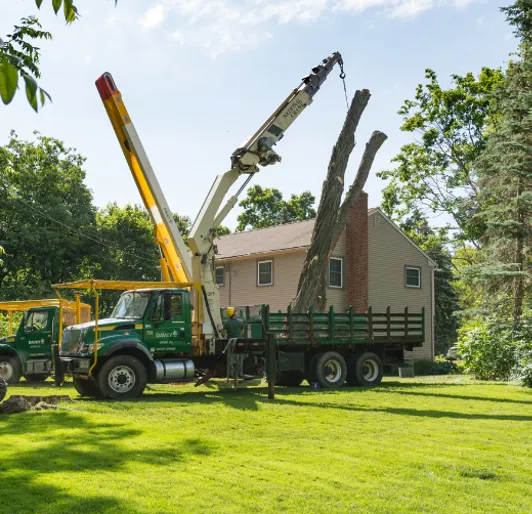
Sustainable tree maintenance methods include organic fertilizers, biological pest management, and responsible cutting techniques. This approach improves tree well-being while lessening the ecological footprint, leading to better natural systems and lower amounts of synthetic products in landscaping and tree maintenance.
What is the best way to ready My Trees for Winter?
When getting trees ready for winter, you should trim dead wood, add mulch around the trunk, ensure sufficient watering before freezing, and think about covering the main stems to protect against freezing air and bark burn, ensuring overall health and resilience. - Stillwater Tree Service
Comments on “Guaranteed Tree Trimming Seasonal Advice”